
Process fit
Bead sizing and grade matched to your peening, deburring, or finishing line requirements.
Glass Beads for Road Marking by Airo Shot Blast Equipments is optimized for road marking reflectivity support using calibrated glass bead grades and process-controlled blasting parameters for repeatable industrial output.
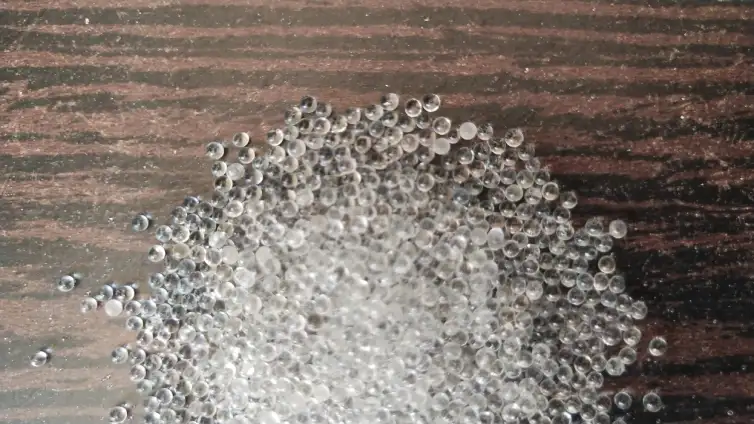
Bead sizing and grade matched to your peening, deburring, or finishing line requirements.
Controlled sphericity and sizing support consistent surface profiles batch after batch.
Technical datasheets, COA support, and export paperwork for procurement teams.
Stable supply for OEMs, job shops, and surface-treatment plants with global dispatch.
Process guidance, media selection, and quality expectations for industrial buyers.
Glass Beads for Road Marking is an industrial process application supported by Airo Shot Blast Equipments for users requiring controlled road marking reflectivity support results with stable media behavior and predictable finish quality.
This application typically uses grade options such as reflective and calibrated road-marking grades depending on part geometry, contamination type, and required finish. The objective is improves retro-reflective visibility and line performance.
For production stability, operators should maintain dry compressed air, proper media recovery, and routine screening to reduce fines and maintain consistent results.
Recommended grade family: reflective and calibrated road-marking grades. Choose finer grades for delicate components and coarser grades for faster cleaning where substrate tolerance allows.
Glass Beads for Road Marking is used across road marking contractors, infrastructure maintenance. When configured correctly, it supports improves retro-reflective visibility and line performance while improving process repeatability over batch runs.
For sensitive components, begin with conservative settings and adjust gradually to reach required productivity and finish targets.
Airo Shot Blast Equipments recommends documenting final parameter windows for each component family to ensure repeatable outcomes.
| Brand Name | Airo Shot Blast Equipments |
|---|---|
| Application | Glass Beads for Road Marking |
| Primary Process | road marking reflectivity support |
| Recommended Grades | reflective and calibrated road-marking grades |
| Typical Pressure | N/A for blasting process |
| Nozzle Distance | N/A |
| Nozzle Angle | N/A |
| Key Benefit | improves retro-reflective visibility and line performance |
| Industries | road marking contractors, infrastructure maintenance |
A straightforward workflow for plant engineers and procurement teams.
Substrate, equipment, target finish, and annual volume so we can shortlist grades.
Receive sizing guidance and optional trial media for line validation.
MOQ, packaging, Incoterms, and lead time aligned to your supply chain.
Batch traceability, documentation, and repeatable quality on every shipment.
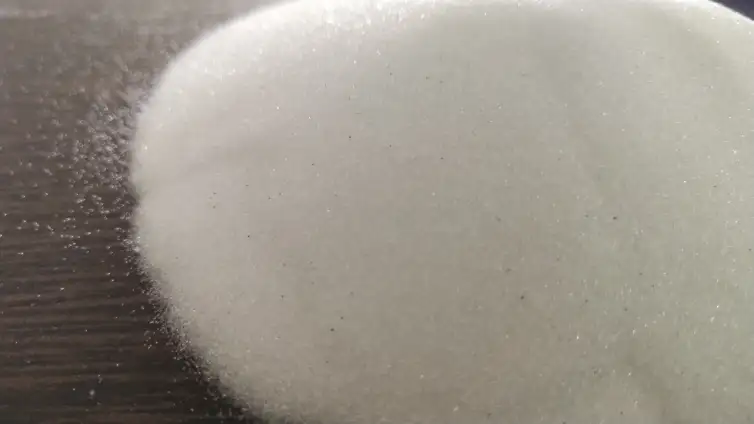
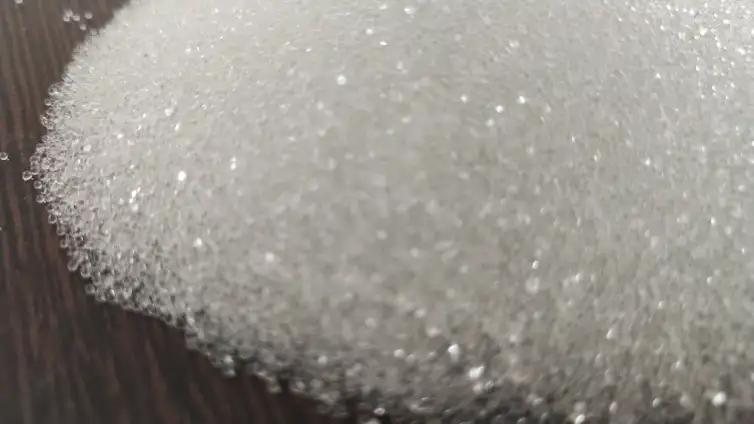
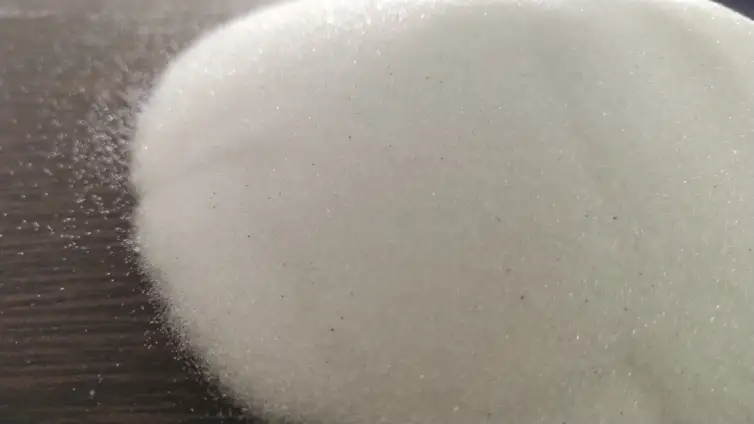
Glass bead grades commonly specified for Glass Beads for Road Marking.
Explore other sectors where precision glass bead media is deployed.
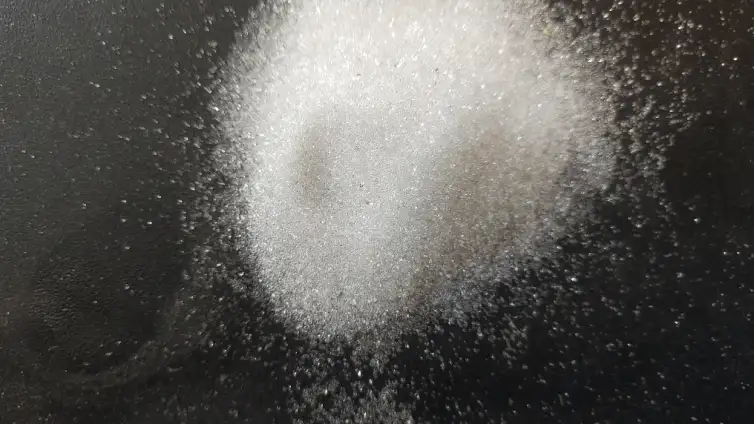
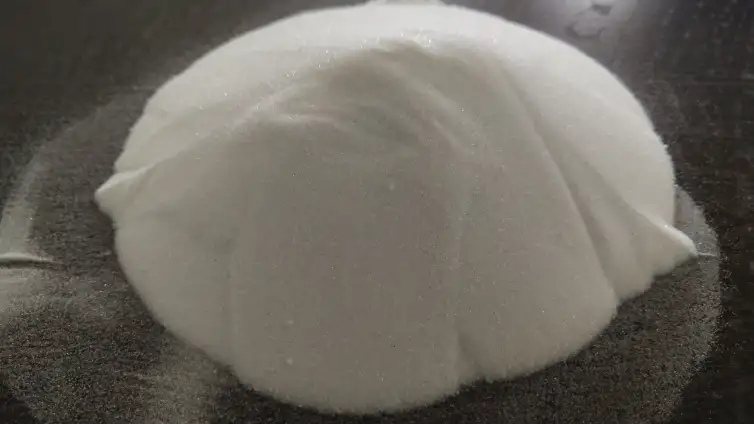
Glass Bead for Glossy Finish by Airo Shot Blast Equipments is optimized for glossy/satin finish development using calibrated glass bead grades and process-controlled blasting parameters for repeatable industrial output.
View application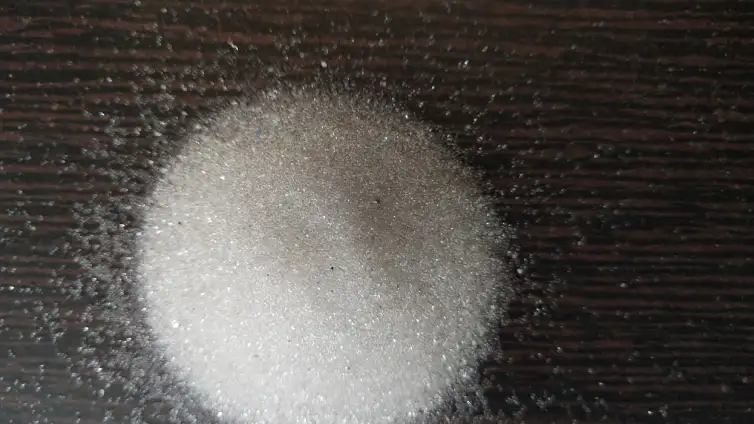
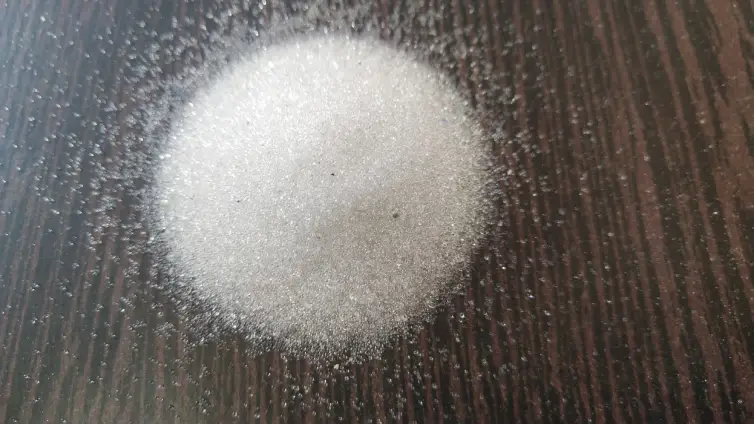
Glass Beads for Glass Finishing by Airo Shot Blast Equipments is optimized for glass and metal finishing support using calibrated glass bead grades and process-controlled blasting parameters for repeatable industrial output.
View application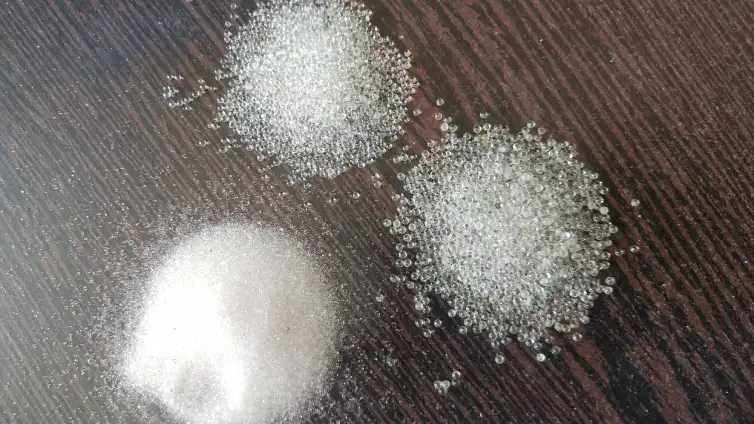
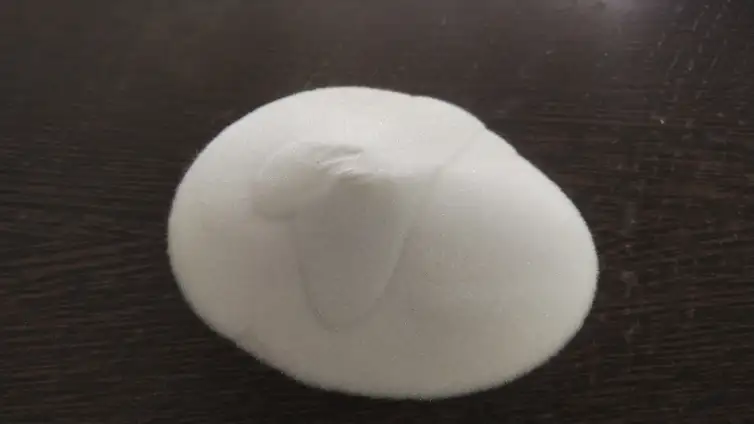
Glass Beads for Cleaning by Airo Shot Blast Equipments is optimized for industrial cleaning and contamination removal using calibrated glass bead grades and process-controlled blasting parameters for repeatable industrial output.
View applicationOur team will match bead size, roundness, and compliance requirements—or prepare export pricing for your next bulk order.