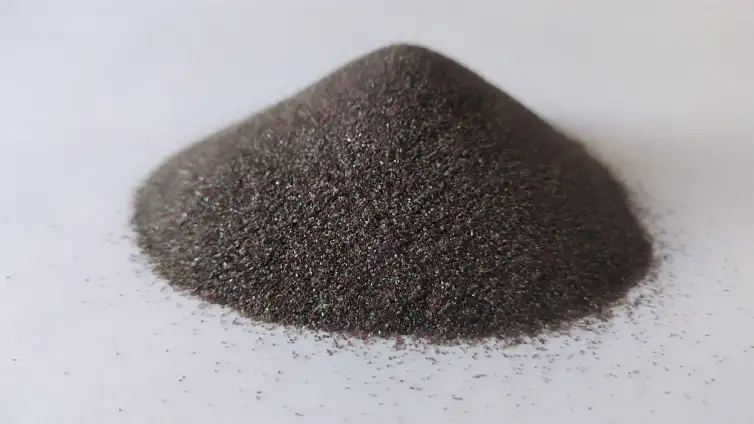
Glass Beads Price in India 2026: Per Kg Rate and Grade-Wise Cost
Glass beads are one of the most popular abrasive materials used in industrial sand blasting, surface cleaning, polishing, and finishing applications. Their spherical shape makes them different from angular abrasives such as aluminum oxide and steel grit. They clean metal surfaces while producing a smooth, bright, and uniform finish.
For manufacturers, fabrication companies, automotive workshops, and industrial blasting units, understanding the glass beads price per kg in India is important for controlling production costs and selecting the right blasting media.
In 2026, glass bead prices in India vary depending on particle size, grade, quality, packaging, order quantity, and supplier. Buying the cheapest abrasive is not always the most economical option because bead durability, consistency, and reusability also affect the total operating cost.
In this guide, we will explore glass beads prices in India, grade-wise cost differences, industrial applications, factors affecting pricing, and tips for selecting a reliable large glass beads supplier.
1. What Are Glass Beads Used for in Sand Blasting?
Glass beads are spherical abrasive particles manufactured from glass. They are used in abrasive blasting machines to clean, polish, and finish different types of metal and non-metal surfaces.
Unlike angular abrasives that aggressively cut into a surface, spherical glass beads produce a peening and cleaning action. This makes them suitable for applications where maintaining the original dimensions and achieving an attractive surface finish are important.
Major applications of glass bead blasting include:
- Stainless steel cleaning and finishing.
- Aluminium component polishing.
- Automotive parts cleaning.
- Removal of light rust and surface contaminants.
- Mould and die cleaning.
- Deburring of engineering components.
- Decorative metal finishing.
- Light shot peening applications.
Glass beads are commonly used in pressure blasting machines, suction blasting cabinets, and wet blasting systems.
2. Glass Beads Price in India 2026: Per Kg Rate
The glass beads price in India depends on product specifications and purchasing quantity. Based on currently advertised Indian supplier listings, indicative prices range from approximately ₹55 to ₹150 per kg.
The following table provides a practical buying reference for industrial buyers.
| Glass Bead Grade / Category | Indicative Price Per Kg |
|---|---|
| Economy / Standard Grade | ₹55-₹75 |
| General Industrial Grade | ₹70-₹95 |
| Premium Blasting Grade | ₹90-₹110 |
| Specialised / High-Consistency Grade | ₹110-₹150 |
Indicative market guide based on advertised supplier prices; not a fixed or guaranteed quotation. Actual grade specifications may differ between manufacturers.
These prices can change depending on mesh size, particle roundness, manufacturing quality, packaging, minimum order quantity, and transportation expenses.
For example, some Indian suppliers advertise standard glass bead products around ₹65- ₹95 per kg, while others list products around ₹70-₹110 per kg. Specialised offerings may be listed at ₹110–₹150 per kg.
3. Grade-Wise Glass Beads Cost: What Are You Paying For?
Glass beads are available in different particle sizes and quality grades. Selecting the correct grade is essential because particle size directly influences blasting performance and surface finish.
A. Fine Grade Glass Beads
Fine glass beads are used for delicate cleaning, light polishing, and finishing applications. They are suitable for smaller components and surfaces where a smooth finish is required.
- Typical size range: 40-150 microns.
- Application: Precision cleaning and fine finishing.
- Best suited for: Stainless steel and delicate engineering components.
- Cost: Depends on particle consistency and quality.
B. Medium Grade Glass Beads
Medium-grade glass beads offer a balance between cleaning performance and surface finishing. They are widely used in automotive workshops and general manufacturing.
- Typical size range: 150-300 microns.
- Application: General-purpose blasting and surface cleaning.
- Best suited for: Metal fittings, automotive parts, and fabricated components.
- Cost: Generally competitive for regular industrial consumption.
C. Coarse Grade Glass Beads
Coarse glass beads are suitable for applications requiring stronger cleaning action and faster treatment of relatively robust components.
- Typical size range: 300-600 microns.
- Application: Cleaning and finishing larger metal components.
- Best suited for: Industrial machinery and fabricated parts.
- Cost: Depends on bead quality, size distribution, and supplier.
D. Premium Grade Glass Beads
Premium-grade glass beads are selected for consistent particle size, roundness, cleanliness, and controlled finishing performance.
- Application: Precision surface finishing and specialised industrial blasting.
- Best suited for: Quality-sensitive manufacturing applications.
- Key benefit: More consistent blasting results when supported by suitable quality control.
- Cost: Generally higher than standard commercial grades.
Note: These are illustrative particle-size categories. Always confirm the supplier's actual micron or mesh specifications before purchasing.
4. Factors Affecting Glass Beads Price Per Kg in India
Several factors determine the final glass beads price per kg. Understanding these factors helps industrial buyers make better purchasing decisions.
- Particle Size and Mesh: Different blasting applications require different particle sizes. Fine, medium, and coarse grades may have different processing and screening costs.
- Quality of Raw Material: The quality of glass used during manufacturing affects bead consistency, strength, and overall performance.
- Roundness and Uniformity: Properly rounded beads provide more predictable finishing results. Poorly formed particles can affect surface quality.
- Manufacturing Process: Melting, shaping, heat treatment, screening, and grading influence the final product quality and cost.
- Packaging Quantity: Glass beads are commonly supplied in 25 kg and 50 kg bags, as well as jumbo bags for bulk industrial requirements. Larger orders may qualify for better commercial pricing.
- Transportation and GST: Freight charges, applicable GST, delivery location, and packaging expenses can increase the final landed cost.
- Supplier Reliability: Established manufacturers and suppliers offering consistent quality, technical specifications, and dependable delivery may charge differently from low-cost traders.
5. How to Calculate Glass Beads Purchase Cost?
Before placing a bulk order, calculate the total purchase value according to your consumption requirements.
For example, assume your factory requires 500 kg of industrial glass beads at an indicative price of ₹85 per kg.
| Particulars | Amount |
|---|---|
| Required Quantity | 500 kg |
| Price Per Kg | ₹85 |
| Basic Material Cost | ₹42,500 |
| GST and Transportation | Extra, as applicable |
Calculation:
500 kg × ₹85 = ₹42,500
This is the basic material cost before applicable taxes and delivery charges.
For regular industrial buyers, comparing quotations from multiple suppliers can help identify better bulk pricing and reliable supply arrangements.
6. Factors Affecting Glass Bead Recovery and Reusability
One important advantage of glass bead blasting media is its reusability.
Glass beads can be recovered and reused multiple times in a properly designed blasting system. Their service life depends on the following factors:
| Factors | Description |
|---|---|
| Blasting Pressure | High pressure can increase bead breakage and reduce service life. |
| Nozzle Size | Proper nozzle size and operating conditions help minimize bead damage. |
| Workpiece Material | Material hardness and surface condition influence bead wear. |
| Abrasive Contamination | Dust, rust, oil, and paint particles affect bead quality and reuse. |
| Dust Collection | Efficient dust collectors remove fine particles and unwanted contaminants. |
| Separation Efficiency | Recovery systems separate reusable beads from broken particles and debris. |
| Glass Bead Quality | High-quality, durable beads generally offer better reusability. |
Note: A properly designed abrasive recovery system helps reduce material wastage, lower operating costs, and maintain consistent blasting performance.
However, not every bead can be reused indefinitely. Regular inspection and replacement of broken or contaminated media are necessary to maintain consistent surface finishing.
7. Glass Beads vs Other Industrial Abrasives
Before purchasing glass beads, it is useful to understand how they compare with other commonly used blasting materials.
| Abrasive Material | Main Application | Surface Finish |
|---|---|---|
| Glass Beads | Cleaning and polishing | Smooth and satin |
| Aluminium Oxide | Aggressive cleaning | Etched and rough |
| Steel Grit | Heavy rust and scale removal | Rough surface profile |
| Garnet | General surface preparation | Clean and profiled |
| Steel Shot | Peening and cleaning | More uniform impact finish |
Glass beads are the preferred choice when the objective is to achieve a smooth finish without aggressive cutting of the base material.
For heavy rust removal or thick paint stripping, angular abrasives may be more suitable.
8. How to Choose a Reliable Glass Beads Supplier in India?
Finding the right glass beads manufacturer or industrial abrasive supplier is important for maintaining consistent production quality.
Before placing an order, check the following:
- Availability of different micron and mesh sizes.
- Consistent particle shape and size distribution.
- Product specifications and quality documentation.
- Availability of 25 kg, 50 kg, and bulk packaging.
- Competitive glass beads price per kg.
- Reliable delivery and stock availability.
- Technical assistance for abrasive selection.
- Bulk-order discounts and repeat supply support.
It is also advisable to request a sample before purchasing large quantities. Testing the abrasive in your actual blasting machine helps verify its performance and suitability.
9. Why Buy Industrial Glass Beads in Bulk?
For factories and manufacturing units with regular blasting requirements, bulk purchasing can offer several advantages.
- Better pricing opportunities on larger orders.
- Reduced frequency of repeat purchases.
- More consistent availability of blasting media.
- Easier inventory and consumption planning.
- Improved production continuity.
Working with a dependable industrial abrasive supplier also helps ensure that the same product specifications are maintained across repeat orders.
Conclusion: Get the Right Glass Beads at the Right Price
The glass beads price in India in 2026 generally falls within an indicative range of ₹55-₹150 per kg, depending on grade, particle size, quality, and order quantity.
Fine glass beads are suitable for precision finishing, micro glass beads grade work well for general industrial cleaning, and coarse grades are useful for applications requiring stronger cleaning action. Premium grades are worth considering when consistent particle quality and surface finish are critical.
However, the lowest price per kg should not be the only purchasing consideration. Product quality, reusability, particle consistency, and supplier reliability directly influence your overall blasting expenses.
Looking for quality Glass Beads at competitive prices? Contact our team for the latest glass beads price per kg, available grades, micron sizes, bulk order quotations, and technical assistance. We can help you select the right abrasive media for your sand blasting machine and industrial surface finishing requirements.