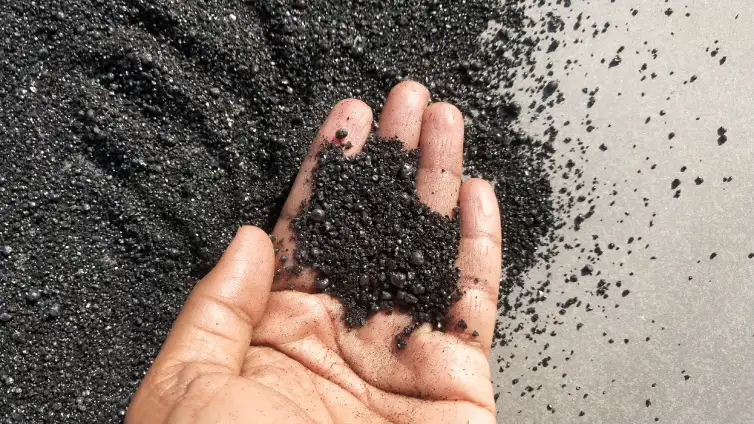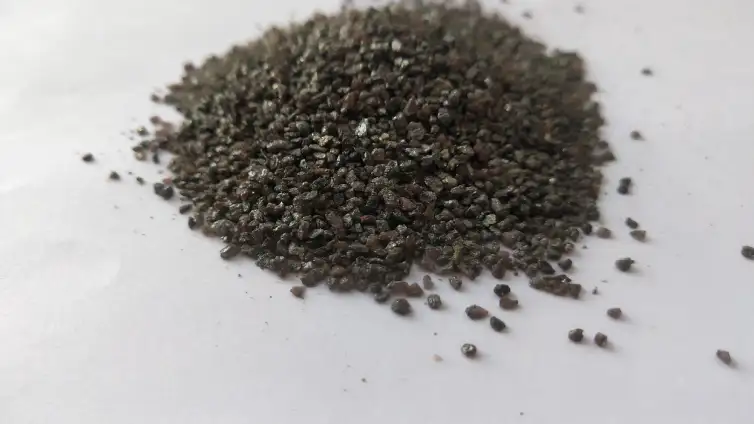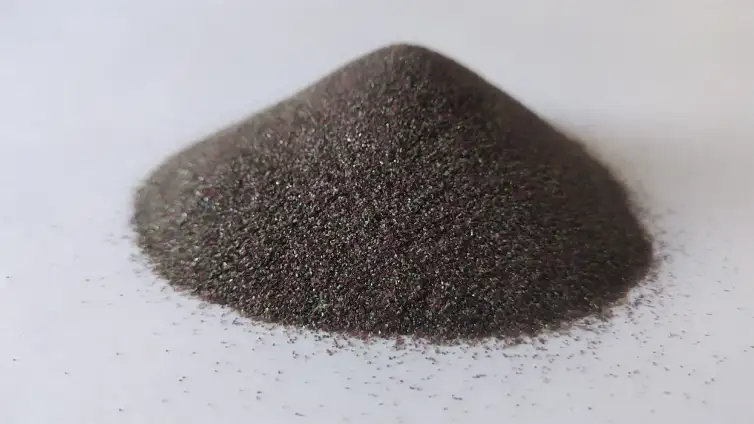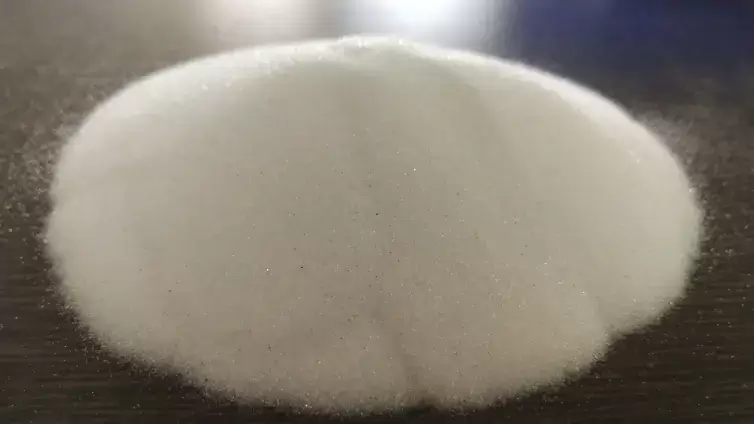
In industrial blasting and surface finishing, choosing the right Glass Bead Size directly impacts cleaning efficiency, surface quality, and overall operational performance. Large glass beads excel in high-intensity applications, delivering robust cleaning, peening, and surface preparation with long service life—ideal for industries handling high-volume or heavy-duty operations. Small glass beads offer versatile, all-purpose performance, providing consistent surface finishing with controlled abrasion, making them suitable for a wide array of industrial tasks. For precision-sensitive applications, fine glass beads (micro grade) ensure uniform, delicate finishes with minimal material removal, protecting high-value or intricate surfaces. By leveraging the unique advantages of each bead size, manufacturers and industrial operators can enhance process reliability, maximize efficiency, and achieve superior surface quality across diverse applications.
Industrial Surface Solutions: How Large, Small, and Fine Glass Beads Differ?
| Airo Shot Blast Equipments Category | Surface Finish Outcome | Primary Use Case | Typical Industry Applications | Buyer Recommendation |
| Fine Glass Beads | Ultra-smooth, satin-like, non-abrasive finish | Precision polishing, gentle cleaning, cosmetic finishing | Medical equipment, electronics, jewelry, stainless steel décor | Best choice for delicate components where surface integrity, appearance, and accuracy are critical. |
| Small Glass Beads | Smooth, uniform matte finish | General surface cleaning, light deburring, controlled finishing | Automotive parts, metal fabrication, machinery components | Ideal for balanced performance—effective cleaning with minimal surface damage in routine industrial applications. |
| Large Glass Beads | Coarse, consistent matte texture | Heavy-duty cleaning, descaling, shot peening | Aerospace, automotive manufacturing, foundries, heavy engineering | Recommended for aggressive blasting where durability, high reuse cycles, and cost efficiency are key factors. |
How Fine, Small, and Large Glass Beads Are Used in Industrial Processes?
- Surface Refinement: Fine glass beads are used to achieve ultra-smooth finishes on precision components, enhancing surface aesthetics.
- Edge Rounding & Micro-Deburring: Fine beads gently remove sharp edges and burrs on metal and plastic parts.
- Surface Preparation for Coatings: Small glass beads clean and condition surfaces to improve adhesion of paints, coatings, and adhesives.
- Light Oxide and Contaminant Removal: Small beads efficiently eliminate rust, scale, or oxidation without aggressive material removal.
- Intensive Cleaning & Stripping: Large glass beads remove heavy rust, old coatings, and weld slag from industrial equipment and structures.
- Shot Peening & Stress Relief: Large beads impart controlled compressive stress on metal surfaces, enhancing fatigue life.
- Eco-Friendly Surface Finishing: Reusable glass beads reduce waste and minimize environmental impact compared to chemical methods.
- Consistent Surface Texture: Using the right bead size ensures uniformity and repeatability across industrial batches.
what are the key advantages of large, small, and fine glass beads?
-
Fine Glass Beads: Deliver ultra-smooth finishes and precise micro-deburring for delicate components, ideal for aerospace, electronics, and medical devices. Ensure uniform surface texture without damage.
-
Small Glass Beads: Versatile for cleaning, surface conditioning, and light rust removal. Enhance coating adhesion and are cost-effective due to reusability.
-
Large Glass Beads: Effective for heavy-duty cleaning, rust and weld residue removal, and shot peening to improve metal fatigue resistance. Durable and fast for large surfaces.
-
Cross-Size Applications: All sizes polish molds, castings, and complex shapes with consistent results. Reusable and eco-friendly, offering sustainable industrial solutions.
Technical specification of large to fine glass beads
| Parameter | Large Beads (250–600 µm) | Medium Beads (100–250 µm) | Fine Beads (50–100 µm) |
| Particle Shape | ≥92% True Spherical | ≥94% True Spherical | ≥95% True Spherical |
| Surface Impact | Aggressive peening, controlled micro-compression | Balanced cleaning & polishing, minimal stress | Gentle, non-destructive finishing for fatigue-sensitive surfaces |
| Embedding Tendency | Negligible in thin walls & micro-features | Virtually no embedding in critical parts | Completely non-embedding in cooling holes & channels |
| Residual Stress | Compressive, no micro-cracks | Uniform surface compression | Gentle stress for fine surface finishing |
| Contamination Limits | Fe ≤0.01%, Cl ≤50 ppm | Fe ≤0.01%, Cl ≤50 ppm | Fe ≤0.01%, Cl ≤50 ppm |
| Media Breakdown | Controlled micro-fracture for consistent reuse | Predictable degradation, stable performance | Micro-fracture into fines, avoids shards & damage |
| Surface Prep / Coating | Ideal for high-adherence coatings | Supports primers & thin films | Optimized for NDT-ready cosmetic finish |
| Reusability | 20–30 industrial cycles | 30–40 industrial cycles | 30–50 industrial cycles |