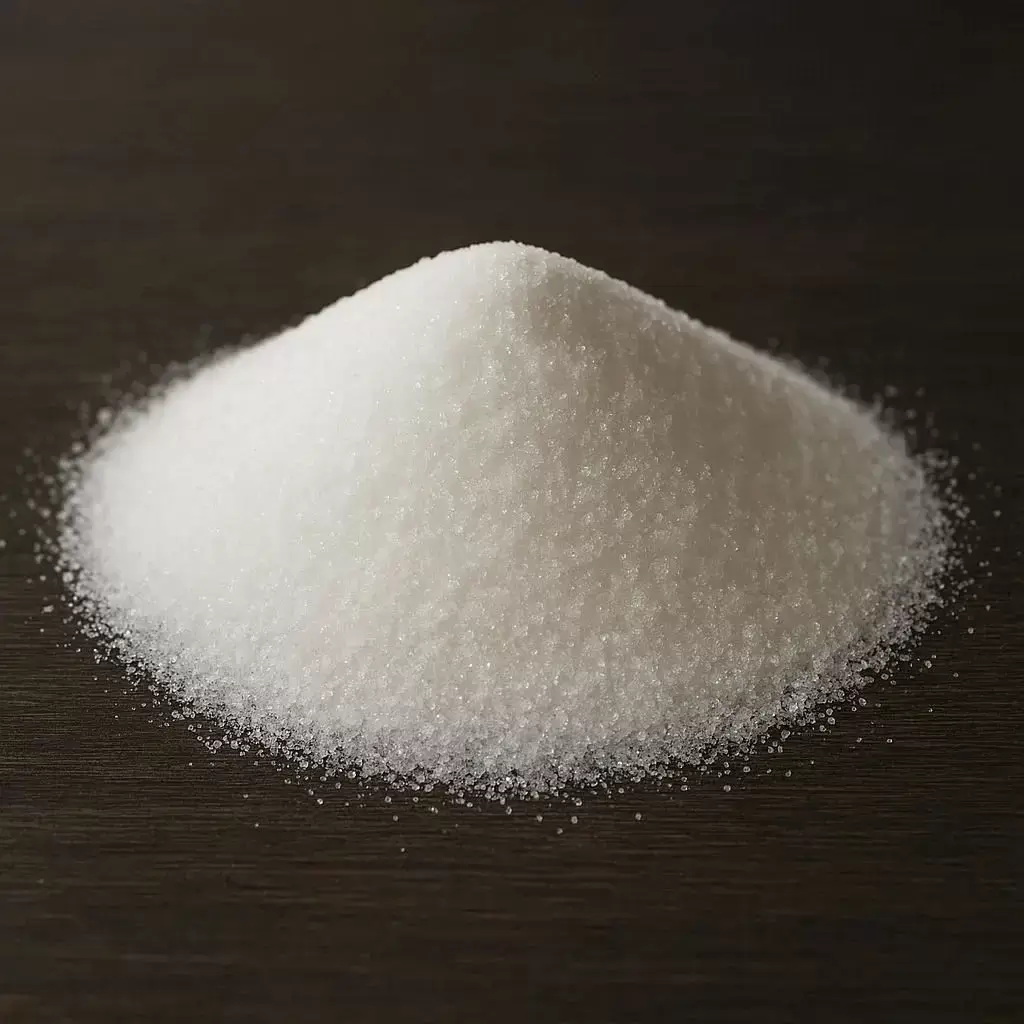
Glass beads are ultra-fine spherical media engineered for ultra-accurate finishing and controlled polishing, delivering superior surface uniformity with minimal material impact—rendering them suitable for complex or premium-grade industrial components. Selecting the appropriate Glass Bead Size is key to determining surface quality, process efficiency, and overall operational consistency. Large glass beads are optimized for heavy-duty blasting, peening, and surface preparation, providing high-impact cleaning performance with extended reuse potential for demanding, high-throughput operations. Small glass beads serve as a reliable, multi-purpose solution, providing balanced cleaning intensity and consistent surface finishes across various industrial applications. Fine glass beads are specifically engineered for accurate work, guaranteeing smooth, uniform finishes with tightly controlled abrasion on sensitive surfaces. Understanding the performance characteristics of each bead size—from large to micro—enables industrial operators to improve process reliability, efficiency, and finished surface quality.
Industrial Applications and Uses of Glass Beads?
- Precision surface finishing and cosmetic polishing of metal, alloy, and composite components, where regulated texture uniformity and surface consistency are critical.
- Non-aggressive cleaning of sensitive or premium parts without dimensional change or unintended material removal
- Effective removal of light rust, oxidation layers, coatings, and surface contaminants without losing base material integrity
- Surface conditioning prior to coating, painting, plating, or thermal spray procedures to improve adhesion reliability and coating performance
- Peening and controlled stress-relief operations aimed at improving surface durability and fatigue life.
- Finishing of molds, dies, and machined components to achieve repeatable surface aesthetics and functional consistency
- Industrial blasting processes require predictable media behavior, controlled abrasion, and repeatable operational outcomes.
- Applications demanding extended media service life, reduced dust generation, and enhanced overall process efficiency
What are the key advantages of Glass Beads in Industrial?
- Deliver superior surface consistency and controlled fine finishes when compared to small and large glass beads, making it perfectly suited for precision-driven industrial processes.
- Enable low-impact, controlled blasting that limits material removal while maintaining dimensional accuracy and substrate integrity.
- Provide reliable finishing performance on delicate, intricate, or premium-grade components where aggressive media, such as large glass beads, may risk surface damage.
- Deliver improved control over surface texture and finish quality compared to small glass beads typically used for general-purpose blasting.
- Minimize dust generation and reduce surface distortion due to their fine, spherical particle geometry.
- Ensure repeatable and process-stable finishing results across sensitive and high-specification industrial applications.
- Strengthen operational consistency and process dependability in precision blasting and surface finishing environments.
- Allow manufacturers to achieve both utilitarian and aesthetic surface requirements without jeopardizing base component performance.
Technical specification of glass beads
| Parameter | Specification |
| Material | Soda-lime glass |
| Shape | Perfectly spherical |
| Particle Size | 10–200 microns |
| Hardness | 5.5 – 6 Mohs |
| Bulk Density | 2.4 – 2.6 g/cm³ |
| Color | Transparent / white |
| Surface Finish | Smooth, uniform, satin / matte |
| Packaging | 25 kg / 50 kg industrial bags |
| Melting Point | Melting Point |